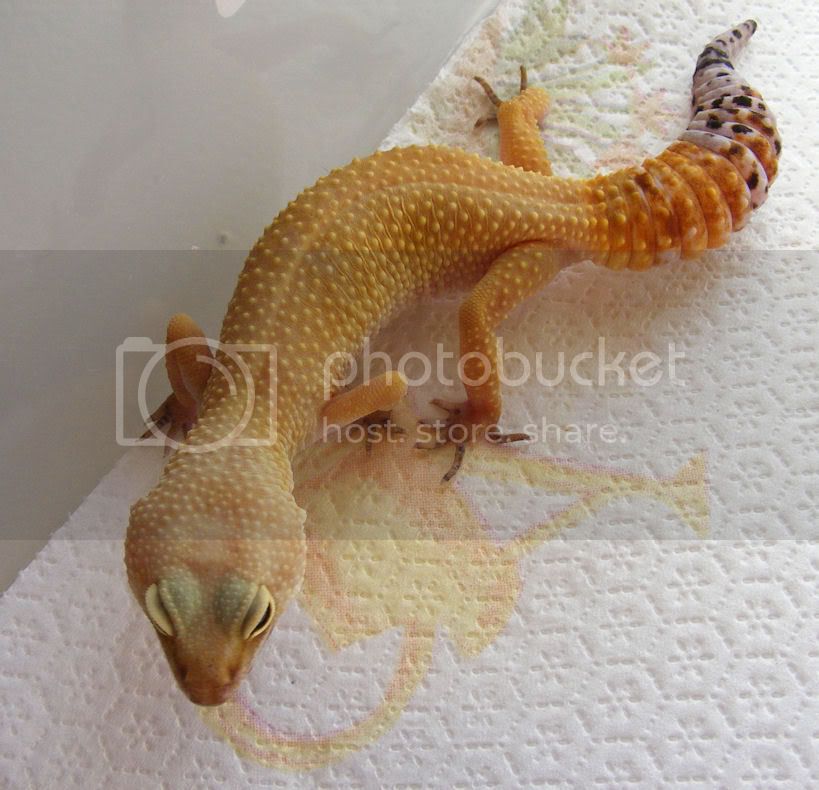
breeding decreases life span?

syntheticreality

Newbie gecko addict
Messages
492
Location
Troy, NY
A guy at petco today tried to tell me breeding a female leo for two to three clutches for two seasons will half its life span.


is this true or total BS?
 
T

tronicsman

Guest
sounds like total BS to me there are breeders out there that are 7-8+ years old at least
 

liljenn

Member
Messages
695
Location
Greenville, SC
I have read that in some types of animals, breeding does shorten the life span of the animal. Sometimes in both male & female. I am not sure about HALF though.

I have read that Leopard Geckos live 15-20 years (average). If well cared for maybe longer (I think the longest recorded was 26??? I know it was over 20!) and then I read that Tremper's original giant "Moose" only lived 6 years! (Obviously, he was breed several times)

Does anyone have experience with life spans of geckos that have been breed? I'd be interested in knowing as well.
 

mynewturtle

New Member
Messages
559
Location
Canada
Breeding females does reduce there life. It's a lot of stress on them. Most breeders will retire there females after 3-5 years so they don't die at an extremely young age. I had a unbred normal (101 grams when she got to me) and lived another 12 years estimating she was already 3. I gave her away, two years ago and she is still alive and a beast. I have heard of breeding females die a lot earlier then that. Don't know if it's breeding wise but that would be my first guess.
 

malt_geckos

Don't Say It's Impossible
Messages
3,971
Location
Gainesville, Fl
It shortens the female CHameleon's life span....but I have never heard of it shortening leos life span. I know that female leos eventually run out of eggs and are infertile after that but that doesn't stop them from living and becoming very nice pets. Heck, they deserve it for spitting out a life of babies.
 

paulnj

New Member
Messages
10,508
Location
NJ USA
The stress of laying eggs or giving birth has to have some effect on an animals life span in my opinion, but the original pet store answer sounds like it came from DR SEUSS to me.

greenegg.gif
 
T

TheHiddenGecko

Guest
I think breeding does shorten their life in some way. I don't know if I would say half but I would say it takes its toll. All the work the female has to go through every season to produce and lay eggs takes its toll on her after a while.
 
Messages
247
Location
Tampa, Florida
A couple things to keep in mind...

Most females will ovulate and lay eggs whether bred or not. They will just not be fertile. That said, breeding does put a lot of stress on a female. That's why I personally will not breed a female unless they are at least 55-60 grams WITH a fat tail. If she is ovulating and 50 grams, I will not put her with a male. I think how we control the breeding will make a big difference on how it affects lifespan.

A side note...

I had an older gentleman last year at the Tampa show buy two leos from me. He said he just lost his leopard gecko that he had for 28 years. I couldn't believe it. He only liked the normals because that's what he had.
 

rubym

New Member
Messages
1,525
Location
indiana
I called our vet just to ask and she said that in her research she has found that "over" breeding( longer then 3 seasons) does in fact shorten a females life span but she said that to say by half is drastic. She said that IHO the person that stated that exagerated.
 
L

LadyGecko

Guest
Sunshine State Exotics said:
A couple things to keep in mind...

Most females will ovulate and lay eggs whether bred or not. They will just not be fertile. That said, breeding does put a lot of stress on a female. That's why I personally will not breed a female unless they are at least 55-60 grams WITH a fat tail. If she is ovulating and 50 grams, I will not put her with a male. I think how we control the breeding will make a big difference on how it affects lifespan.

A side note...

I had an older gentleman last year at the Tampa show buy two Leos from me. He said he just lost his leopard gecko that he had for 28 years. I couldn't believe it. He only liked the normals because that's what he had.

I have numerous "virgin" females of 2 plus years that have never laid a single egg
Is this normal or abnormal?
I see them ovulate and I have seen them develop eggs and reabsorb them

I think that there can be potential problems with both breeding and not breeding them-especially females-even with nice fat tails and weight over 60 grams

I have a favorite shct female around 3 years old that if I were to start breeding my Leos-more than the one pair that I put together recently-I would never breed her
She is a tiny thing at around 40 grams and i just would not want to risk her health

She was a gecko from a large pet chain and I fought with her the first year of her life to get her nice and fat
I really love her-lol
Orange Blossom

OrangeBlossom-best2.jpg


Sandy
 

acpart

Geck-cessories
Staff member
Messages
15,456
Location
Somerville, MA
fallen_angel said:
But so what is the safest amount of breeding that you should do?


I don't have any real data, but I've decided to breed my females for approximately 4 seasons, less if their production declines significantly. After this season I have 2 females that I'll be retiring and will be starting a "retired females" colony.

Aliza
 

acpart

Geck-cessories
Staff member
Messages
15,456
Location
Somerville, MA
You're welcome. I'm really interested in how other people handle this, but I've asked twice on the forum and no one seems very interested in responding. Anyone who could share their ideas about it would be welcome. I'm especially interested in hearing from some of the breeders of larger collections.

Aliza
 

Visit our friends

Top